
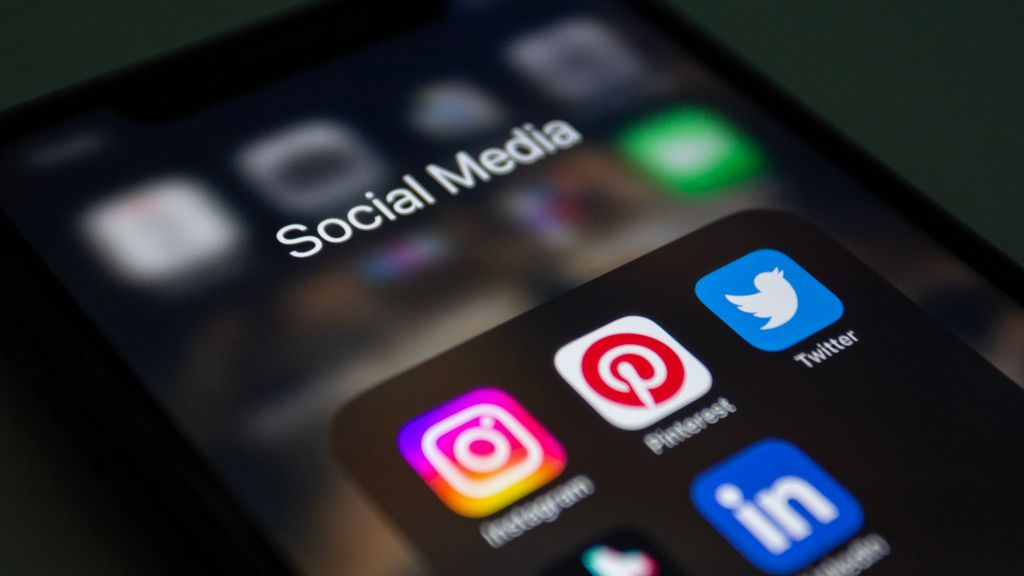
choosing the right platform mix
More platforms doesn’t mean more customers — it usually just means less energy on each one. The businesses that grow fastest on social media aren’t the ones posting everywhere; they’re the ones showing up consistently on the one or two platforms their actual customers are on. Here’s how to figure out which ones deserve your time.
Start with who you’re trying to reach, not what’s trending
The most common mistake is picking a platform because it’s popular, not because your customers are there. A B2B consultancy doesn’t need TikTok, no matter how big it is. A trendy homeware brand probably doesn’t need LinkedIn as a priority. Before choosing anything, get specific about your ideal customer’s age, and where they actually spend time scrolling — that answer narrows the list fast.
Facebook: still relevant, especially locally
Facebook’s audience has aged up rather than disappeared — it remains strong for reaching 25–44-year-olds and older, and it’s genuinely useful for local businesses through community groups, local ads, and straightforward business information. If your customers are mid-30s and up, or you rely on local visibility, Facebook still earns its place.
Instagram: the visual all-rounder
If your business has anything worth photographing — products, spaces, behind-the-scenes work — Instagram is usually a strong pick. It reaches a wide 18–34 audience and supports the full range of content types: quick Reels, polished carousels, casual Stories. It’s the platform most small businesses should treat as a baseline, not an extra.
LinkedIn: built for B2B and professional trust
If your customers are other businesses, or your offer depends on being seen as credible and expert, LinkedIn does something no other platform does — it lets you build authority through longer-form posts and articles, in front of exactly the professional audience you need.
TikTok: worth it for the right audience, not every business
TikTok remains a strong platform for reaching a younger, Gen Z-heavy audience through short-form video and trend-driven content — but it takes real time to do well, and it’s not the right fit for every business. If your customers skew older or your offer isn’t naturally visual, your time is usually better spent elsewhere.
Threads: still finding its footing
Threads is growing fast as a text-first space for quick updates and conversation, but its advertising tools and business features are still maturing. Worth having a presence on if you’re already active on Instagram (they connect directly), but not yet worth being a primary platform on its own.
The honest test
If you can’t confidently describe who’s on a platform and why they’d want to hear from your business, that’s a sign it doesn’t belong in your mix yet — not a sign you need to try harder on it. Two platforms done consistently and well will always outperform five done half-heartedly. Start narrow, prove it’s working, and only add a new platform once the first ones are genuinely running themselves.